Exterior Cleaning Process
A multi-stage washing and decontamination procedure designed to remove surface particulates without introducing swirl marks.
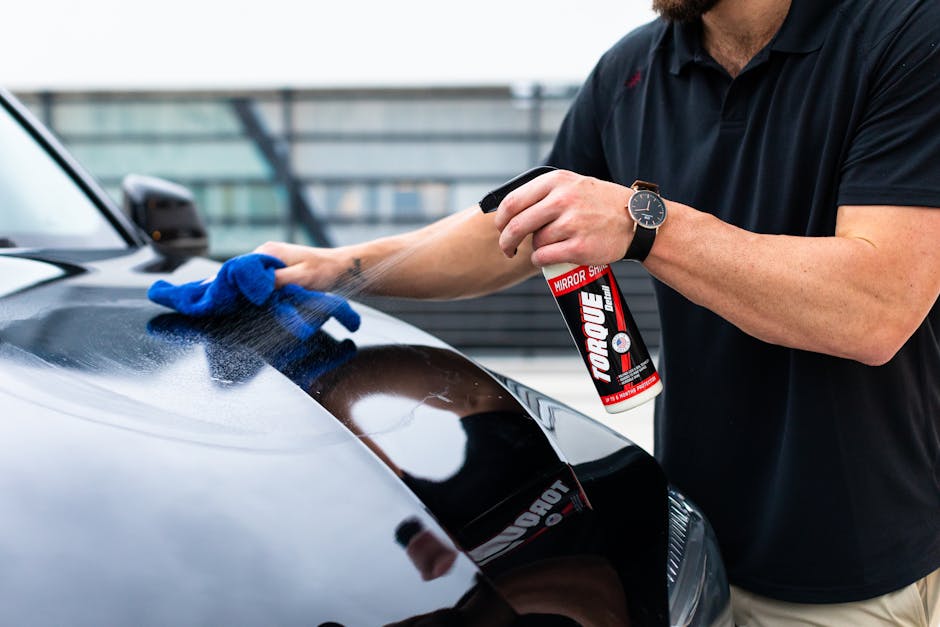
A structured approach to vehicle surface and interior maintenance. Our methodology focuses on comprehensive cleaning, polishing, and protective application processes for automobiles in the urban Hong Kong environment.
Request Service InformationIn the context of Hong Kong's climate and urban conditions, a systematic approach to vehicle care is often considered. Gloss Guard's methodology involves a sequence of steps designed to address exterior and interior surfaces. This process-oriented framework includes assessment, cleaning, and the application of protective materials, which some vehicle owners may find relevant for their maintenance considerations.
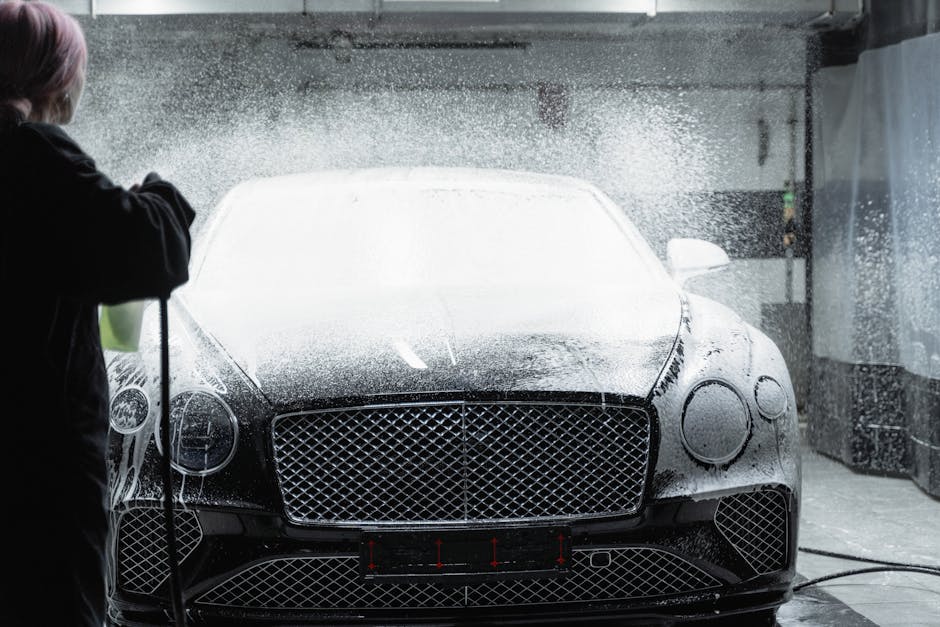
Gloss Guard operates with a focus on procedural clarity in automotive detailing. The approach is built around specific techniques for washing, polishing, and interior sanitization. In Hong Kong, factors such as humidity, pollution, and frequent use can be relevant to vehicle maintenance schedules. Our process is designed to be transparent, outlining each step from initial inspection to the final application of protective coatings, allowing for an informed understanding of the maintenance being performed.
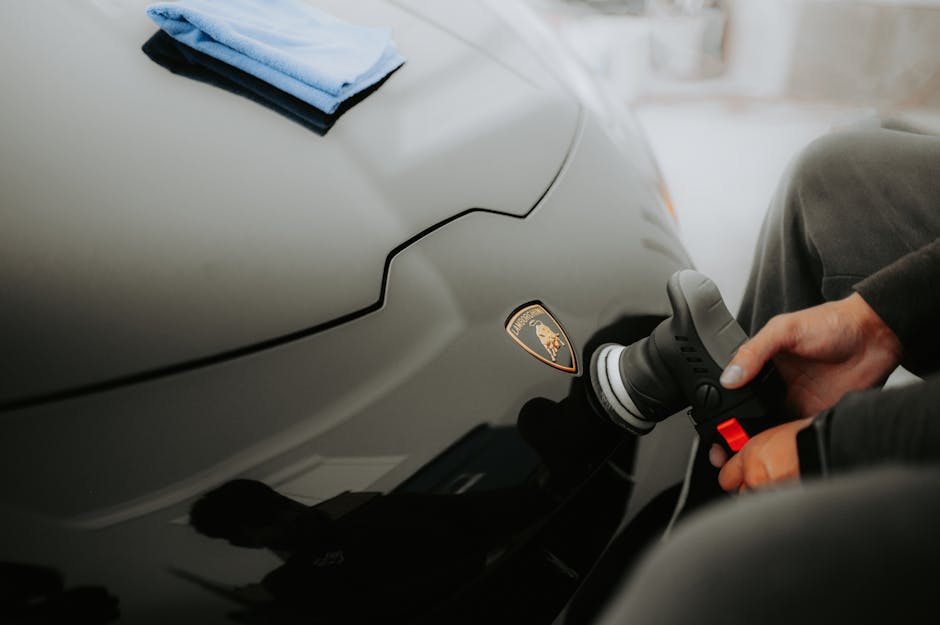
A multi-stage washing and decontamination procedure designed to remove surface particulates without introducing swirl marks.
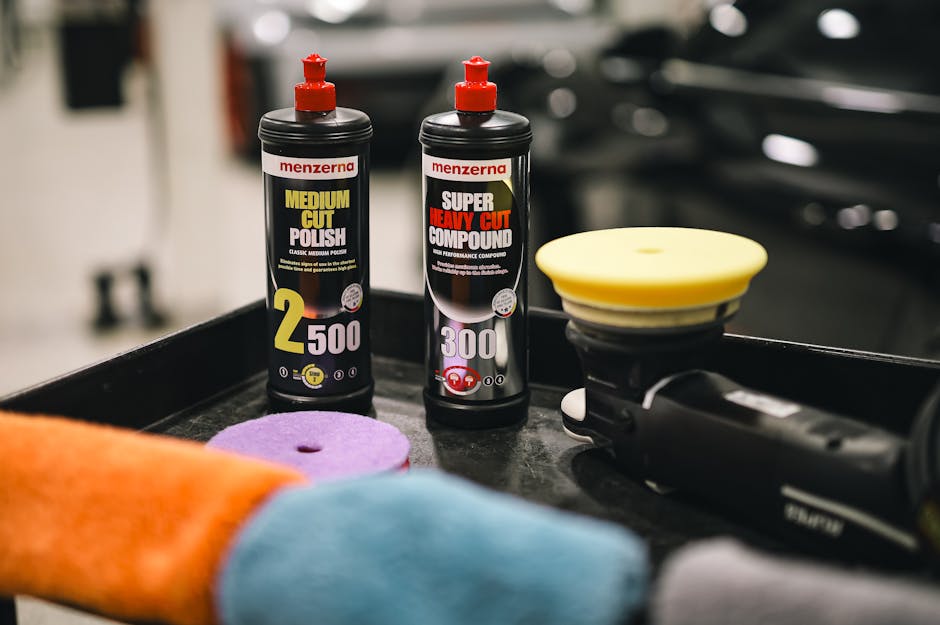
A polishing methodology that involves assessing paint condition and using specific compounds and pads to refine the surface.
A detailed cleaning process for upholstery, carpets, and trim using various tools and cleaning agents.
The application of sealants or coatings to exterior paint and interior surfaces, which may influence ease of future cleaning.
Hong Kong presents a unique set of environmental factors that can be relevant for vehicle surface maintenance. Airborne particulates, high humidity levels, and frequent exposure to sunlight are among the variables that may influence the condition of a car's exterior paint and interior materials. A detailing process typically accounts for these factors through specific cleaning and protection steps. For instance, decontamination washes aim to remove bonded pollutants, while certain protective coatings are formulated with properties that some consider beneficial for withstanding environmental exposure. The interior process often focuses on materials commonly found in vehicles, such as leather, fabric, and plastic, using appropriate cleaning agents for each.
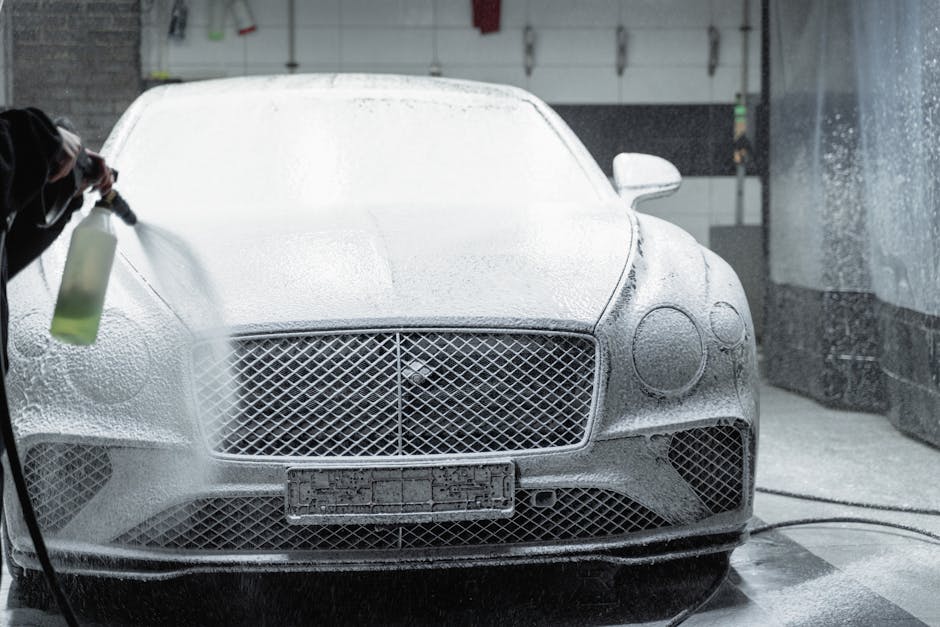
The application of protective materials is one component of the Gloss Guard process. These products, which include ceramic coatings and paint sealants, involve a specific preparation and application protocol. The surface must be thoroughly cleaned and polished before application to ensure proper bonding. The characteristics of these coatings, such as their hydrophobic properties or claimed durability, are presented as product information. It is noted that the performance and longevity of any coating can be influenced by subsequent environmental conditions, washing methods, and vehicle usage patterns after the service is complete.
A visual inspection is conducted to discuss the vehicle's current condition and outline the available service options.
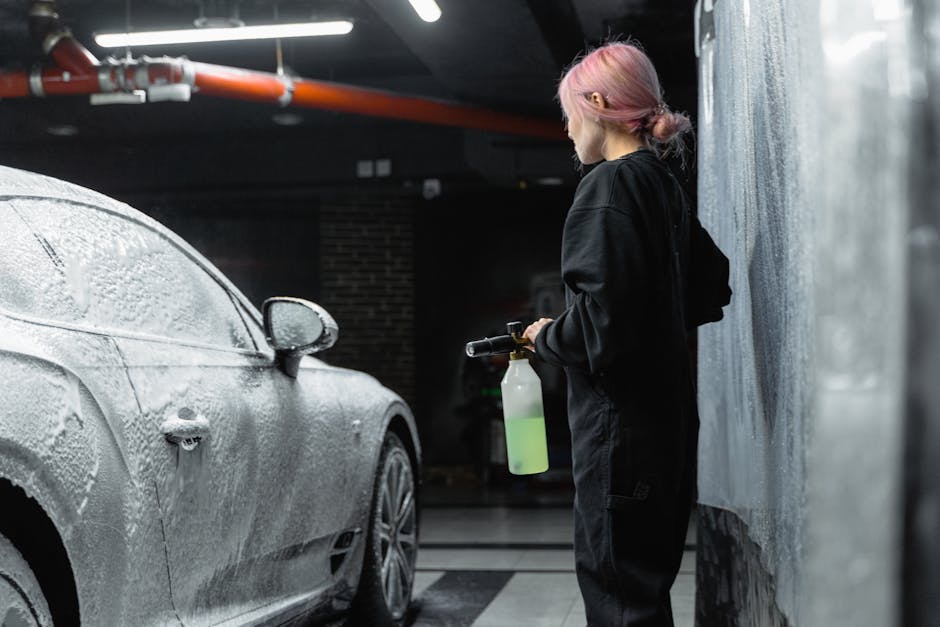
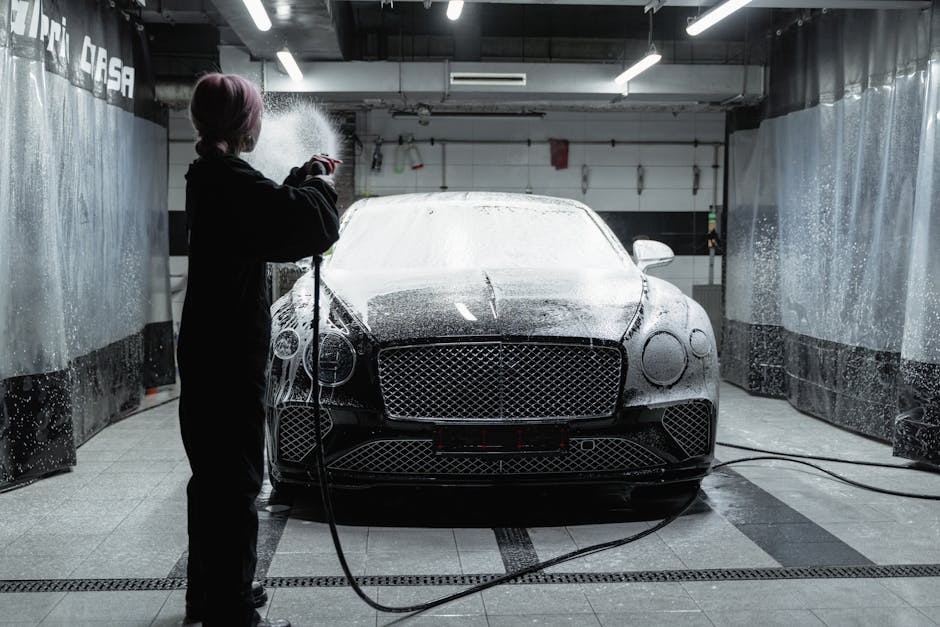
A foam bath and iron remover are used to loosen and lift surface contaminants before contact washing.
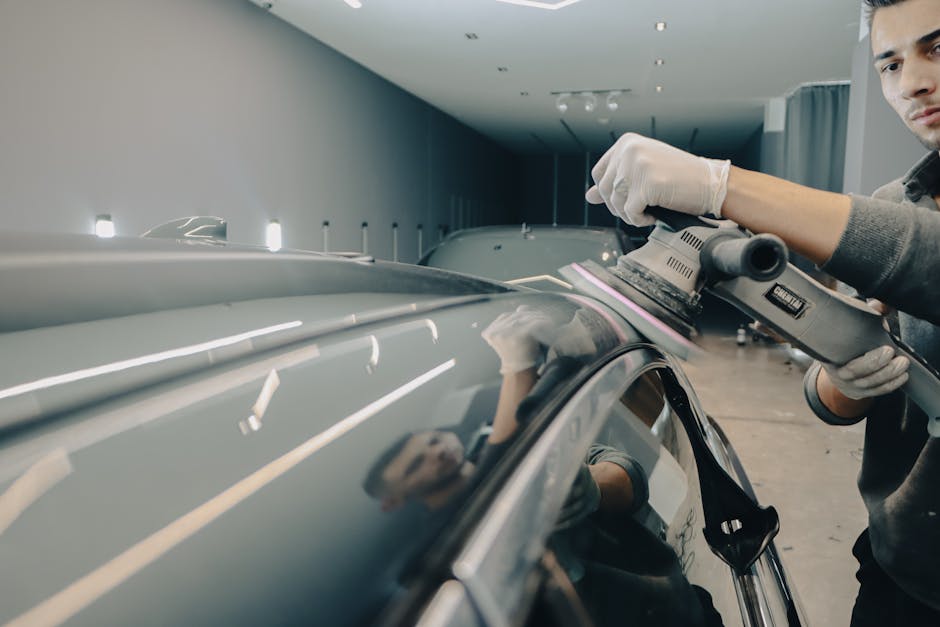
Machine polishing is performed using selected compounds and pads to refine the paint surface's clarity.
A protective layer is applied to exterior surfaces while interior components undergo cleaning and conditioning.
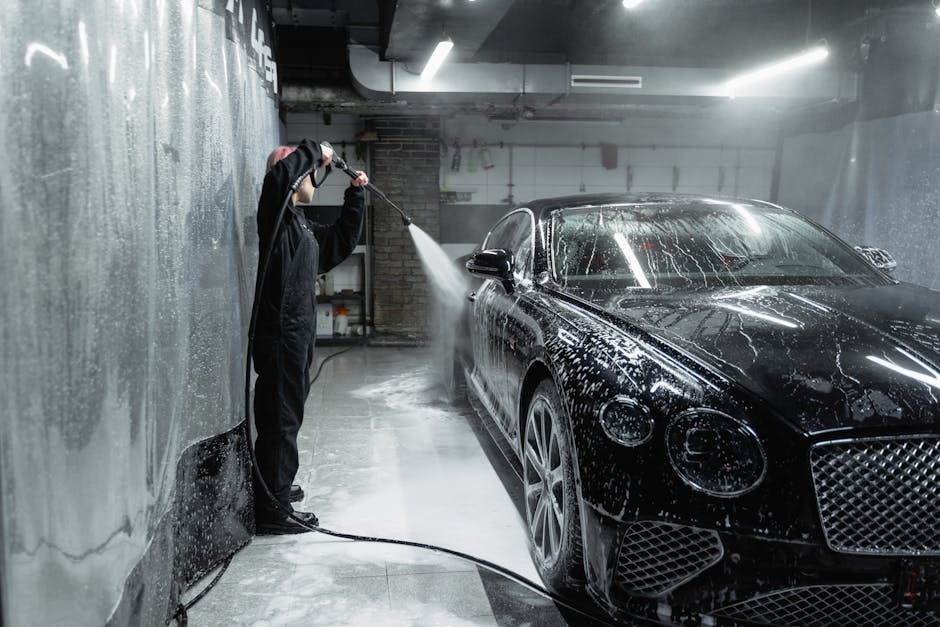
The following images provide a visual reference for some of the stages involved in a typical detailing session, such as foam application, polishing, and interior work.
The interior detailing process at Gloss Guard involves a systematic approach to cleaning and conditioning. It begins with vacuuming and brushing to remove loose debris from all surfaces, including vents and seams. Different materials—leather, fabric, Alcantara, plastic, and metal—receive treatment with specific cleaners and tools, such as soft brushes and microfiber towels. Stains are addressed with targeted techniques. This process is designed to be thorough, focusing on areas that are frequently contacted but often overlooked during routine cleaning. The aim is a comprehensive sanitization and refresh of the cabin environment.
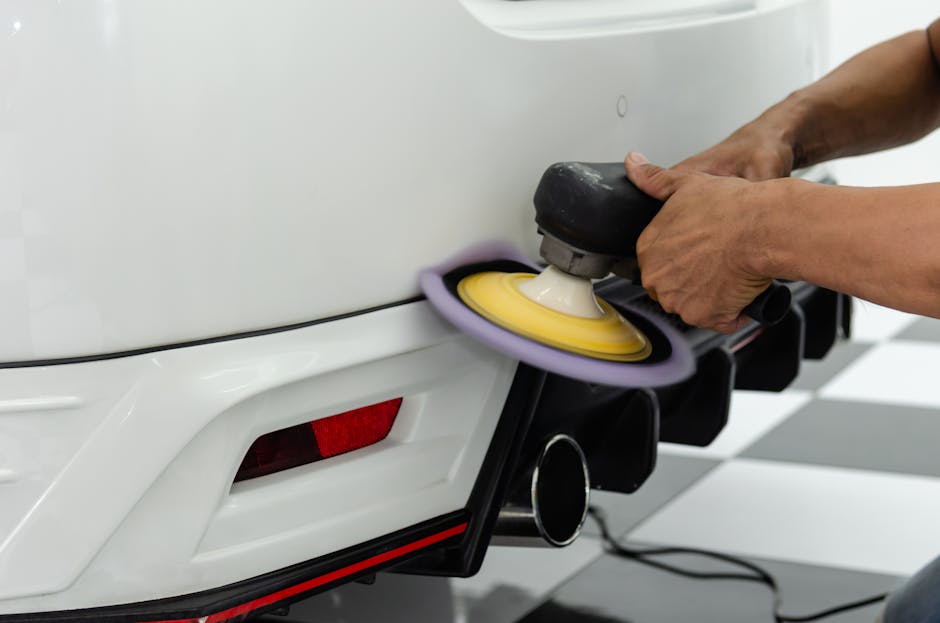
Paint correction refers to a process of refining a vehicle's clear coat using machine polishers, specific compounds, and polishing pads. The goal of this process is to remove or reduce the appearance of imperfections such as swirl marks, light scratches, and oxidation. It is a multi-stage procedure that often involves using products with varying levels of abrasiveness. The extent of correction possible can depend on the original paint thickness and condition. This step is typically considered a foundational preparation before the application of any long-term protective coating, as it aims to create an optimally smooth surface.
Each service begins with a detailed assessment to tailor the process to the vehicle's specific condition.
Utilizing a range of specialized tools, machines, and industry-grade chemicals for different surfaces.
Maintaining clear records of the procedures and products used during a detailing session for client reference.
Implementing water-saving techniques and proper disposal methods for used chemicals in our operations.
The observable state of a vehicle following a detailing process can be influenced by numerous variables. The starting condition of the paint, including the depth of existing scratches and swirl marks, is a primary factor. The type of paint (hard or soft) can affect the polishing process. Environmental conditions during and after the service, such as dust levels and humidity, may also play a role. Furthermore, the subsequent care regimen adopted by the vehicle owner, including washing frequency and techniques, is a continuing variable. Therefore, while the detailing process follows a defined methodology, the post-service appearance and its evolution over time are subject to these and other external factors.
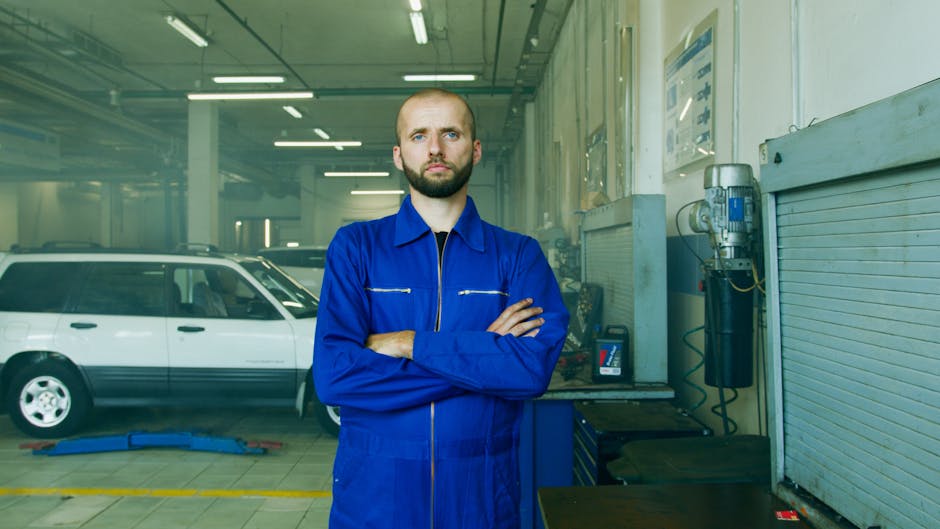
The Gloss Guard facility is configured to support the technical requirements of modern automotive detailing. The workspace includes controlled lighting for accurate paint inspection, dedicated bays for washing, polishing, and coating application, and a filtered air environment to minimize dust contamination during certain procedures. Operating in Hong Kong, we consider local regulations regarding water usage and chemical disposal in our operational plan. The setup is designed to facilitate a logical workflow, allowing each stage of the process—from initial decontamination to final inspection—to be carried out in a designated area.
A period where the vehicle should avoid exposure to moisture or harsh conditions to allow applied products to fully bond.
Guidance on using a two-bucket method with grit guards and specific shampoos to maintain surfaces.
Information on using maintenance sprays or top-up products to support protective layers over time.
An optional follow-up assessment to observe how surfaces are responding to the owner's maintenance routine.
For details regarding our service methodology, availability, or to schedule an initial vehicle assessment, please use the form below or our contact information.
For details regarding our service methodology, availability, or to schedule an initial vehicle assessment, please use the form below or our contact information.